Finding Calm: Neutral Color Schemes for Tranquility

The Quiet Psychology of Neutral Tones

Neutrals sit low on the chroma scale, which lowers visual tension and cognitive load. Your eyes glide rather than dart, inviting deeper breaths and slower thoughts. Tell us which neutrals help you unwind, and follow for weekly calm-inspiring color insights.

The Quiet Psychology of Neutral Tones

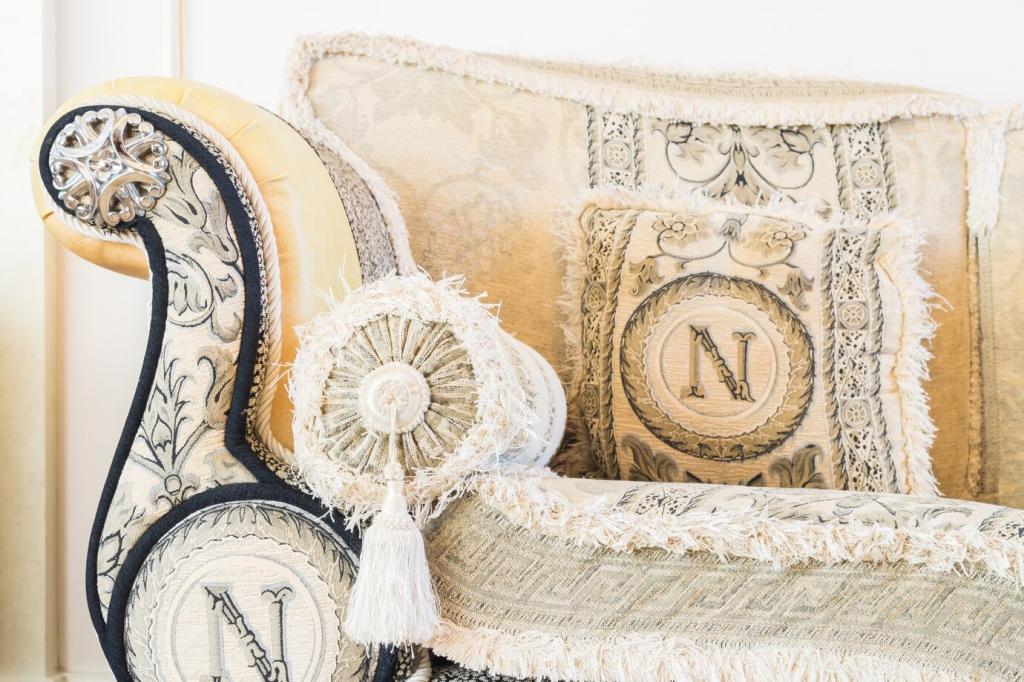
Warm beiges and creamy whites create an intimate, cocooning vibe, while cool grays and taupes feel spacious and crisp. Choose intentionally based on room orientation and daily rhythm. Comment with your favorite undertone, and we’ll suggest pairings for your space.

The Quiet Psychology of Neutral Tones

Subtle contrast—think linen white with gentle mushroom—provides shape and direction without harsh edges. Your furniture breathes, your art whispers. Want a personalized contrast map? Drop your room photos and subscribe for tailored, tranquil palettes.
Composing a Tranquil Palette

Core Trio: Warm White, Greige, and Soft Taupe

Start with a warm white for walls, a greige for depth, and a soft taupe for grounding. This trio adapts across seasons and styles. Share your paint chips below, and we’ll help refine undertones for consistent tranquility.

Accent Neutrals: Charcoal, Clay, and Espresso

Dark, earthy accents add quiet drama without breaking the calm. A charcoal frame, clay vase, or espresso side table creates focus. Curious which accent fits your vibe? Vote in our poll and subscribe for a printable accent guide.

Undertones: The Hidden Language of Calm

Pink, yellow, or green undertones can make or break serenity. Test swatches from morning to evening and near key materials. Post your lighting orientation, and we’ll recommend undertones that keep your room composed all day.

Texture as the New Color

Linen, Wool, and Limewash for Breathable Depth

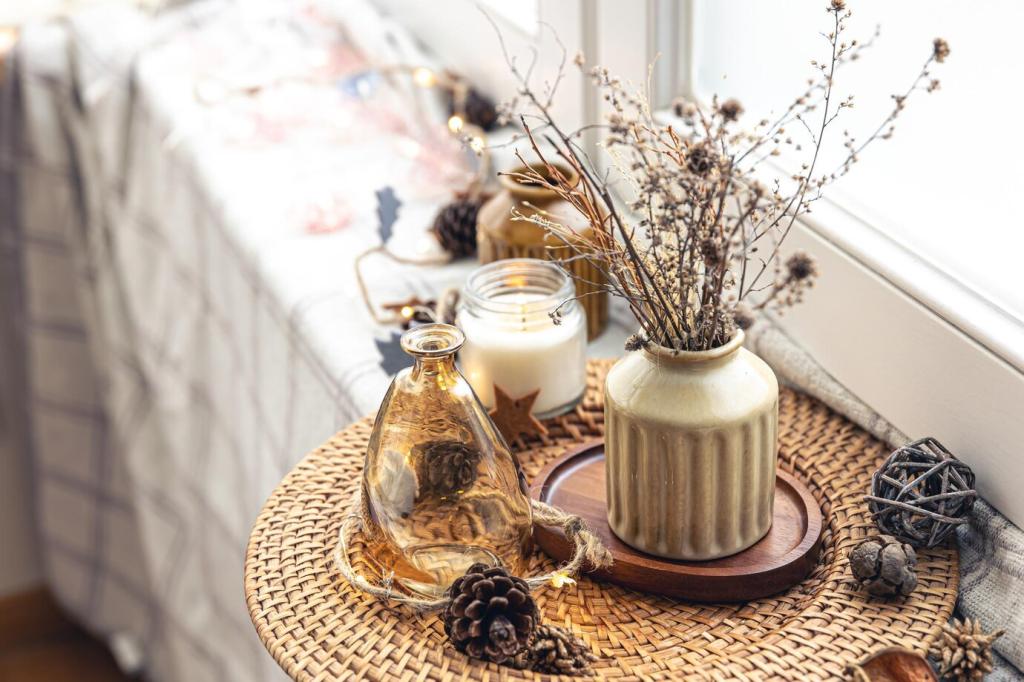
A linen curtain, wool throw, and limewashed wall add movement without noise. Light diffuses softly across their irregular surfaces, soothing the eye. Share your favorite textures and follow for our monthly neutral material sampler.

Light, Orientation, and Mood

South-Facing Glow vs. North-Facing Cool

South light warms neutrals, so choose slightly cooler paints to prevent yellowing. North light is cool, so lean warmer for balance. Share your window orientation, and we’ll help fine-tune your palette for serene harmony.

Evening Lighting and Color Rendering

Use bulbs with high CRI to reveal true undertones after sunset. Layer ambient, task, and accent lighting for gentle gradients. Ask us about bulb temperatures and subscribe for our lighting cheat sheet tailored to neutral schemes.

Room-by-Room Serenity

Wrap the room in a single undertone—from walls to bedding—for uninterrupted calm. A greige headboard and flax sheets invite deeper rest. Share your sleep goals, and subscribe for our neutral bedding layer guide.

Styling with Restraint

Choose pieces with negative space and subtle palettes. Float frames and generous margins amplify calm. Share a snapshot of your gallery wall, and we’ll advise on spacing that lets both art and you breathe.

Styling with Restraint

Curved ceramics, soft-edged furniture, and a single leafy plant introduce life without visual chatter. Tell us your favorite plant, and subscribe for a low-maintenance list that complements neutral interiors beautifully.

Small Spaces and Rentals

Use removable wallpapers in linen-like weaves and soft clay tones for instant warmth. Pair with washable slipcovers. Share your rental constraints, and we’ll crowdsource calm-friendly hacks from our community.

Small Spaces and Rentals

A neutral rug, drapey sheers, and textured throws soften acoustics and add calm without paint. Tell us your room’s echo issues, and subscribe for a textile layering blueprint made for renters.
Agrivozzo
Privacy Overview

This website uses cookies so that we can provide you with the best user experience possible. Cookie information is stored in your browser and performs functions such as recognising you when you return to our website and helping our team to understand which sections of the website you find most interesting and useful.